
What Kids Gain From Stepping Onto a Competition Mat
Many parents wonder whether a tournament would help their child or just add pressure. The benefits of jiu-jitsu competition for kids are real, but they rarely come down to the medal. Most of the value sits around the match: preparing for a specific day, handling nerves, accepting a referee’s call, and dealing honestly with the result.
That does not mean every child should compete, or compete soon. For families training at Gracie Barra Libertyville, a better question is what a tournament would teach your child right now, and whether they are ready to learn it.
DISCOVER Gracie Barra Libertyville
CLICK HEREWhy a Tournament Feels Different From Class
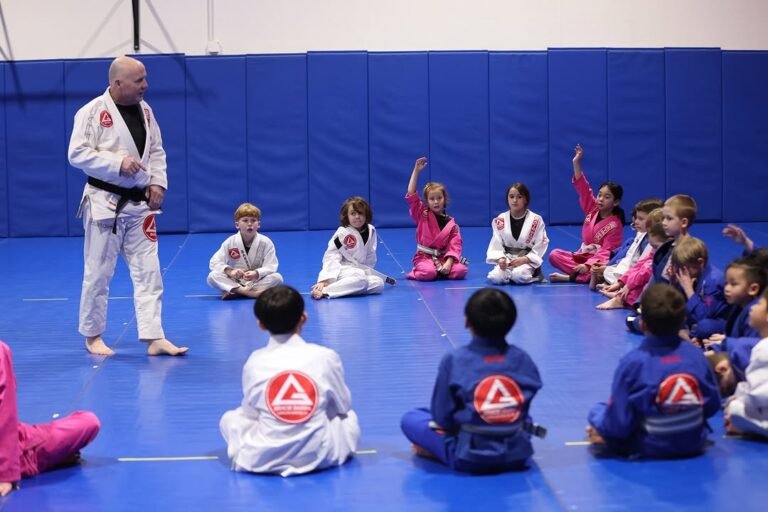
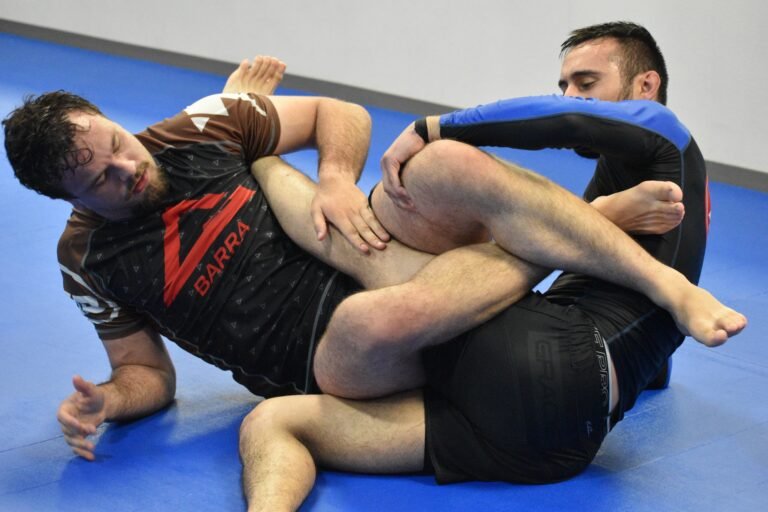
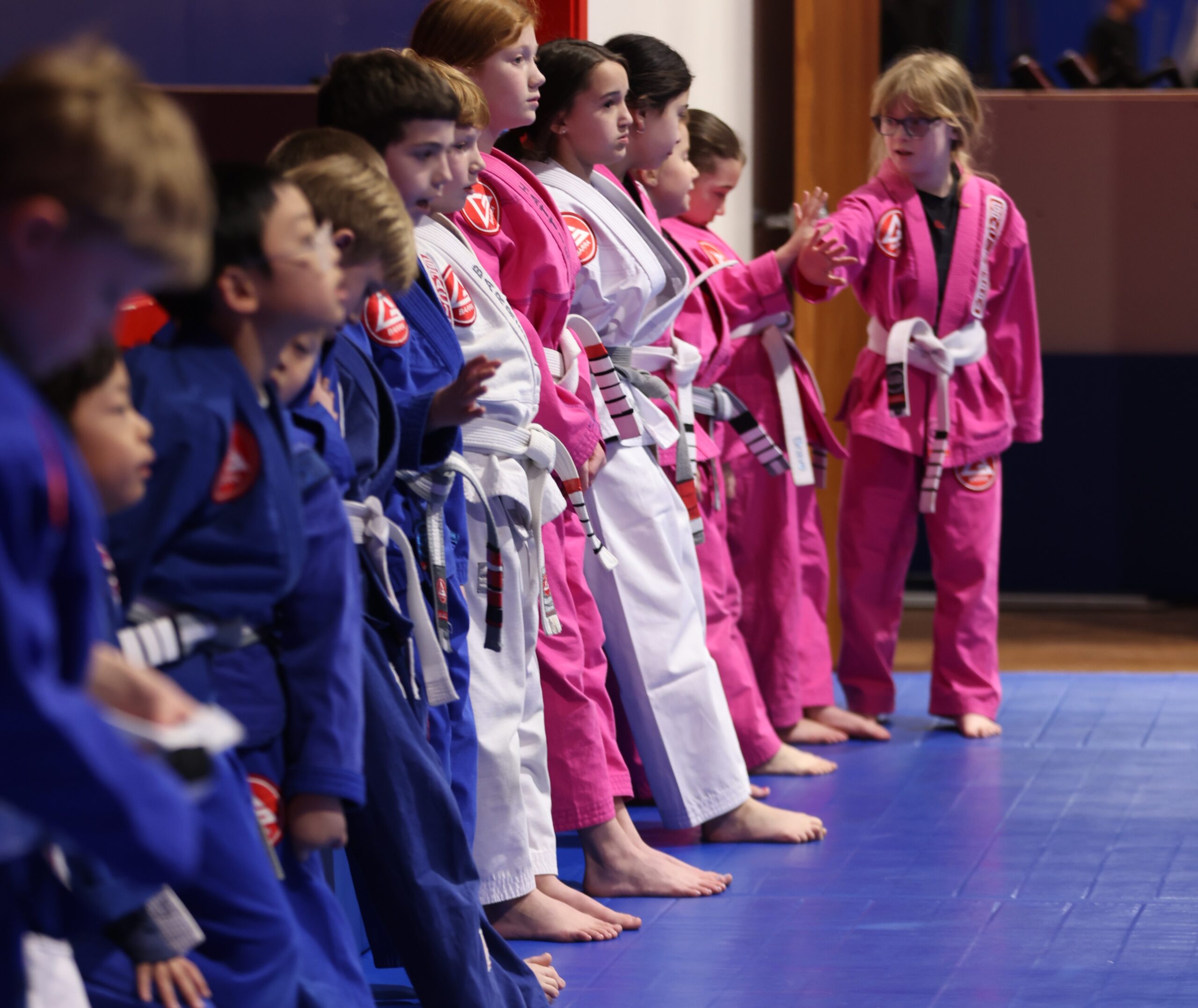
In regular class, a child trains with familiar partners, and an instructor can pause the round to fix a detail. A youth BJJ competition removes most of that comfort. The opponent is a stranger, a clock is running, a referee is scoring, and people are watching from the side of the mat.
That shift is what makes the experience useful. Skills that feel solid in class get tested under mild stress, and kids find out which positions they actually trust. Youth divisions also follow stricter technique rules than adult brackets. The IBJJF, for example, publishes a chart of illegal moves by age and category, so younger competitors work within limits set for their division.
A child who has been building self-confidence through regular kids’ classes meets a different kind of test here. Confidence built over months gets checked in a few minutes, and the child learns they can still think and move while nervous.
Benefits of Jiu-Jitsu Competition for Kids Before and After the Match
Parents tend to picture the match itself, but the weeks before and the day after often teach more.
Working Toward a Fixed Date
Signing up gives training a clear target. A child who usually drifts through class may start asking which guard to rely on or how to escape the position that keeps causing trouble. Picture a nine-year-old who spends a month polishing one sweep and one escape: the tournament gives that focus a reason.
This is a small-scale version of planning. Pick a goal, practice the parts that matter, show up on the day. The habit can carry into schoolwork, but it sticks only when the child owns the goal instead of being handed it.
Handling Nerves and Losing in Public
Most kids feel nervous before a first match, and many lose at least once. Feeling those butterflies and stepping on the mat anyway shows a child that fear does not have to make the decision.
Losing is harder, especially with family watching. Kids who already practice treating mistakes as feedback rather than failure usually recover faster, because a lost match becomes information: which grip slipped, which position felt unfamiliar. Shaking hands with the opponent afterward reinforces that a result never changes how you treat people.
Is Your Child Ready for a Kids Jiu-Jitsu Tournament?
Readiness has less to do with age than with a few habits you can observe. A child who trains consistently, understands basic positions, taps calmly when caught, and accepts a partner’s tap without frustration has the foundation. The child should also want to try it. The signs that a student is ready to compete apply to kids as well, with one extra check: whether the interest comes from the child or from the adults around them.
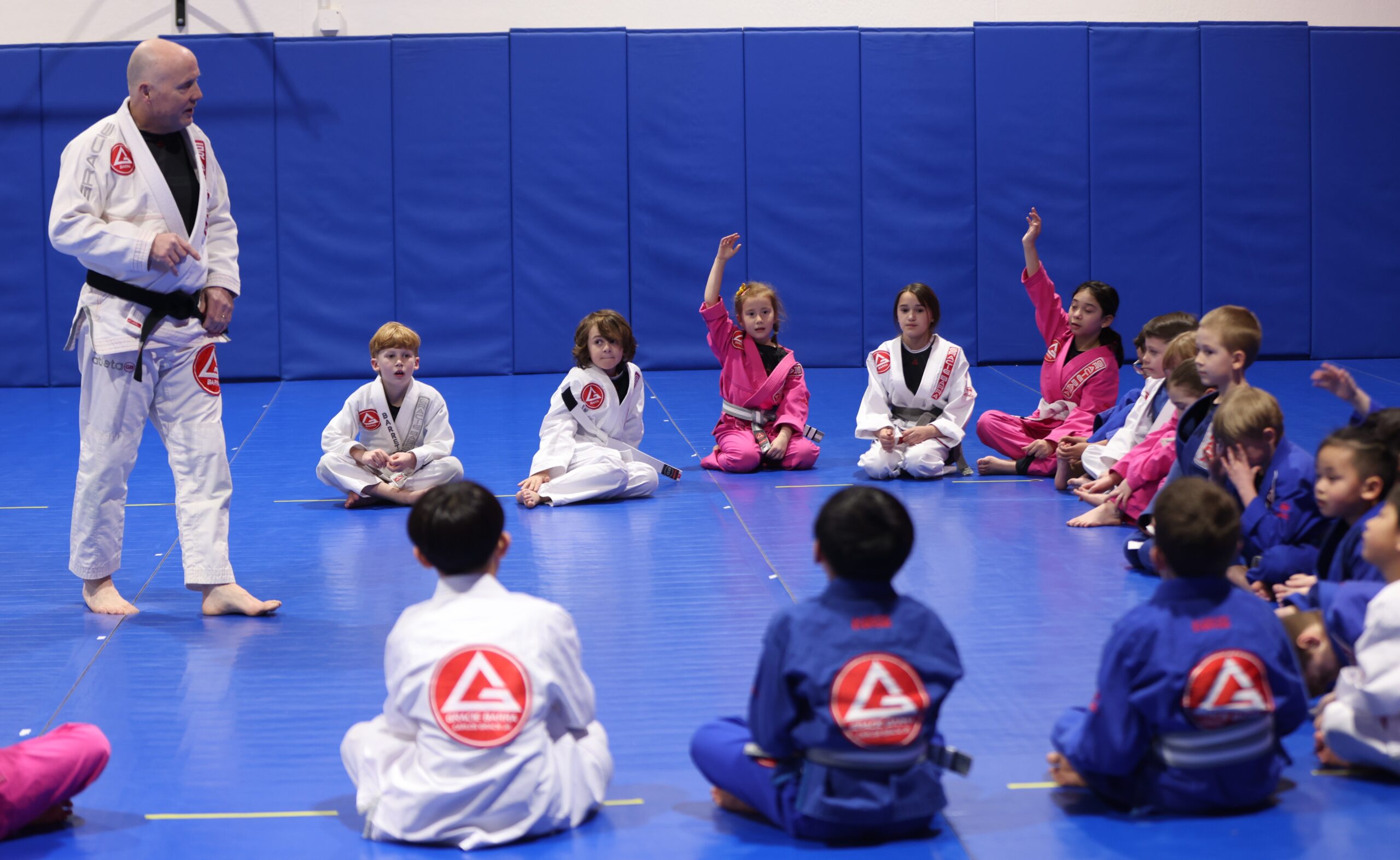
Age still shapes the experience. Because kids train differently at each stage, from preschoolers to pre-teens, a seven-year-old usually processes a loss very differently from a twelve-year-old.
When Waiting Is the Better Choice
If a child is new, gets overwhelmed during sparring, or agrees to compete only to please a parent, waiting is usually the better call. Competition is optional, and skipping it does not slow down learning.
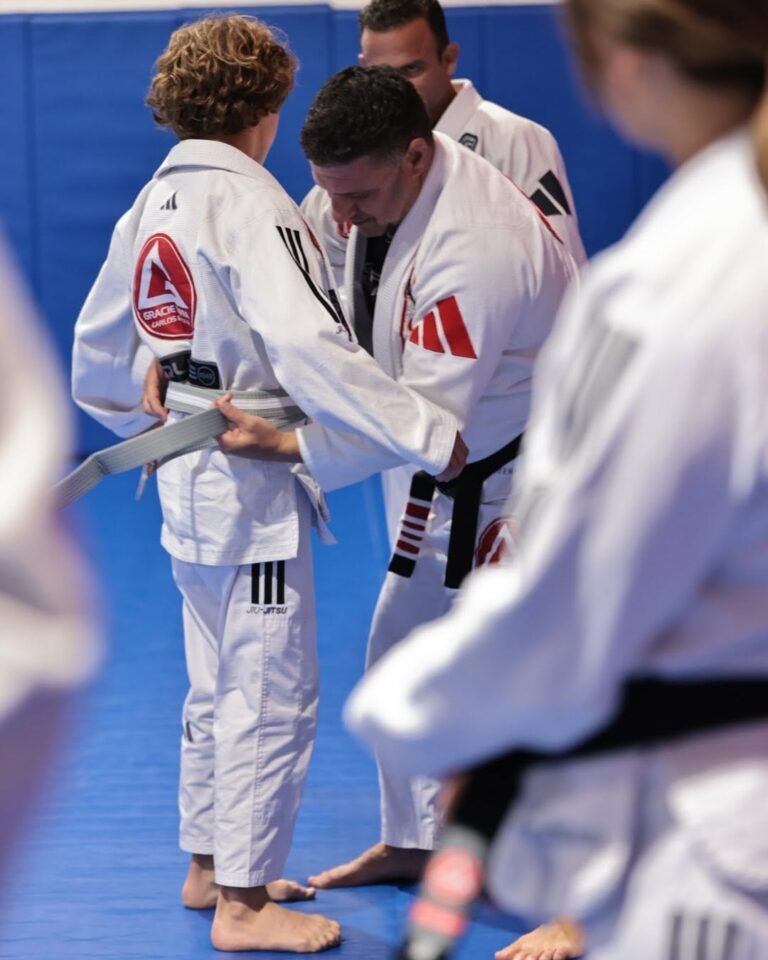
At Gracie Barra Libertyville, the youth belt and stripe system already rewards attendance, technical improvement, and attitude, so a child who never competes still has clear milestones. When competing does happen, it adds to that path instead of replacing it.
How Parents Can Help Before Tournament Day
Start by talking with your child’s instructor, who sees how your child handles pressure in class and can say whether a local event fits now or later. Read the event’s youth rules together so nothing surprises anyone on the day, and register your child at their everyday weight instead of trying to change it for a division.
Then set goals your child controls: try your favorite guard, keep breathing, shake hands, tap if caught. For training, strategy, and recovery, this complete guide to tournament preparation covers each area, and an instructor can scale it down to a child’s level. On the morning itself, keep things simple: a familiar breakfast, extra time to arrive, and a calm adult nearby.
Turning a First BJJ Tournament Into Long-Term Progress
What happens after the event decides how much of it sticks. On the ride home, ask open questions: what felt good, what surprised you, what would you try again? Let your child talk before you add your own analysis, and leave comments about the referee out of it.
A few days later, pass along what your child noticed to the instructor so it can shape the next weeks of class. A first BJJ tournament is one data point. Wanting to compete again in a few months and preferring to keep training without events are both reasonable outcomes.
DISCOVER Gracie Barra Libertyville
CLICK HERESo, Is Competition Worth It for Kids?
For many children, yes. The benefits of jiu-jitsu competition for kids come from preparing for a goal, managing nerves, respecting rules and opponents, and learning from whatever result comes. Those lessons hold up when the child chooses to compete and the adults keep the focus on effort.
If your child is curious, a short conversation with their coaches at Gracie Barra Libertyville about timing and event choice is a sensible next step. If they are not interested yet, regular training keeps building the same skills, and the option stays open.